
Planning
- Guided placement
- Position planned digitally in advance
- Conventional freehand placement
- Position planned clinically and radiographically
Digital Implant Planning
Guided implant surgery uses 3D imaging and digital planning to decide implant position before treatment. In selected cases the implant can be placed through a small opening without raising a gum flap.
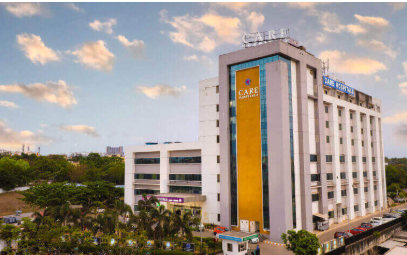
Clinical assessment • Individual treatment planning • Treatment at CARE Hospital, Bhubaneswar
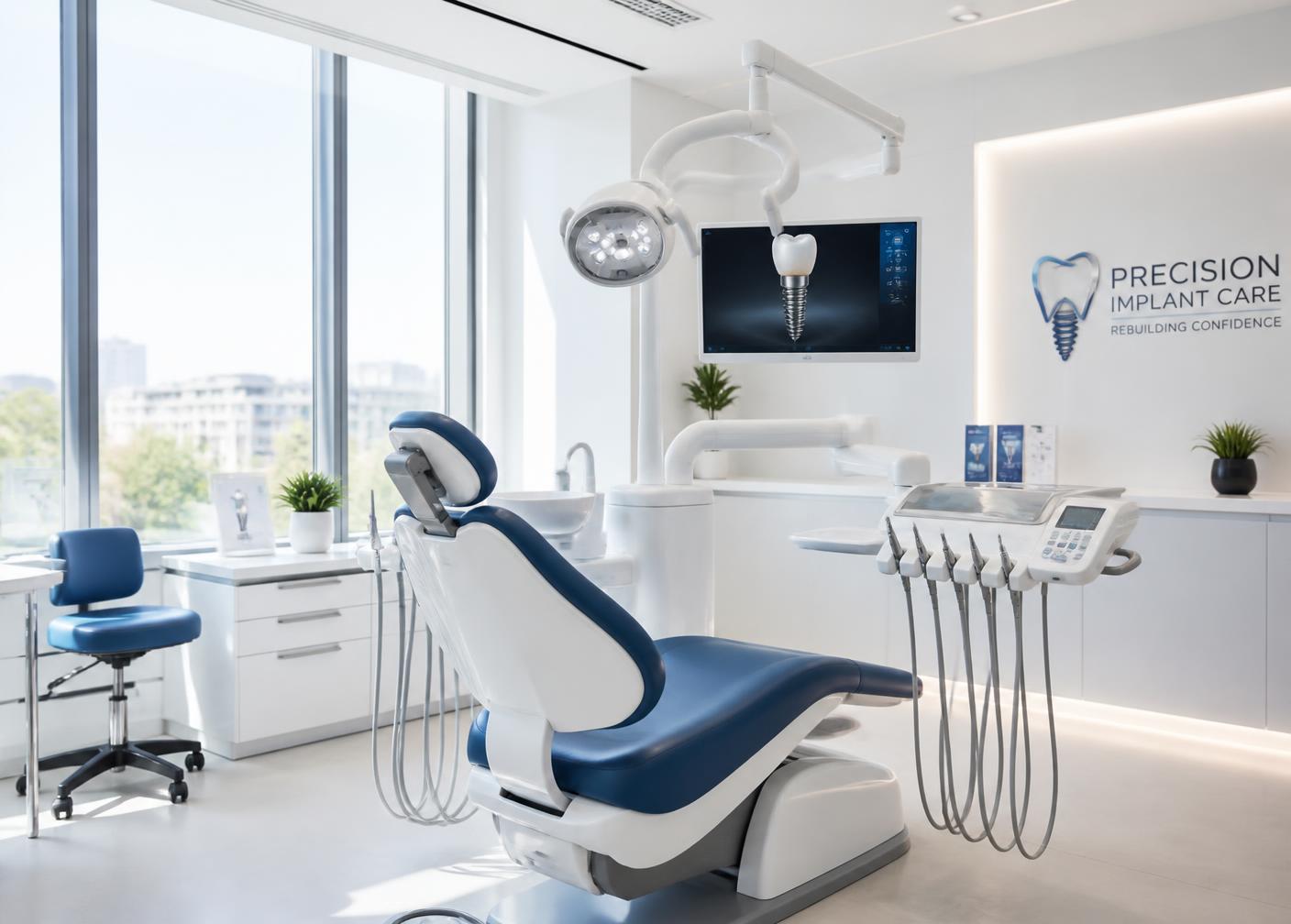
Guided implant surgery means the implant position is planned on a 3D scan and transferred to the mouth using a surgical guide. Flapless surgery means the implant is placed through a small opening in the gum without lifting a flap. Both techniques are used only where the bone volume and soft tissues are suitable.
A 3D scan shows bone volume, density and nearby anatomical structures.
Intraoral scans or models record the teeth and soft tissue.
Implant position, angle and depth are planned on software.
A guide may be produced to transfer the plan to the mouth.
The implant is placed following the planned position.
The crown or bridge is made after the required healing.
Digital planning helps relate implant position to the planned final tooth.
Flapless access can mean less soft tissue disturbance in suitable cases.
A CBCT scan and additional planning steps are needed.
Flapless technique reduces direct view of the bone, so case selection matters.
Guided treatment may include 3D imaging, digital planning and a surgical guide in addition to the implant and restoration. The cost is confirmed after assessment of what your case requires.
Patients across India can begin with an online consultation and receive a preliminary treatment roadmap. Clinical examination, final planning and treatment take place at CARE Hospital, Bhubaneswar.
Patients commonly travel to Bhubaneswar from Cuttack, Puri, Berhampur (Brahmapur), Sambalpur, Rourkela, Balasore, Baripada, Angul and Jharsuguda. Physical examination and implant treatment take place at CARE Hospital, Bhubaneswar, Odisha.
It is implant placement planned on a 3D scan and transferred to the mouth, often using a surgical guide, so the implant follows the planned position, angle and depth.
Flapless placement often needs few or no sutures because a flap is not raised, but this depends on the site and the technique used.
Guided placement can help transfer a planned position accurately, particularly in complex cases. Accuracy still depends on the guide fit, technique and clinical experience.
Guided planning requires 3D imaging. Your dentist will advise whether a CBCT scan is indicated for your case.
No. It requires adequate bone width and gum thickness with no need for grafting at the site. Otherwise a conventional flap approach is recommended.
Many patients report less swelling in suitable cases, but healing and implant integration still take the usual time.
Yes, digital planning is commonly used for multiple and full-arch implant cases where planning several positions together is helpful.
Begin with an online consultation from anywhere in Odisha; suitability is confirmed after examination and imaging at CARE Hospital, Bhubaneswar.
Ask the implant team whether guided or flapless placement may be appropriate for your case.
Ask about suitability, treatment stages, alternatives and cost considerations.
Replacing one missing tooth with an individual implant.
Learn moreWhen an implant may be placed at the time of extraction.
Learn moreImplant-supported options for several missing teeth.
Learn moreFixed full-arch implant treatment approaches explained.
Learn moreOptions when available bone volume is insufficient.
Learn moreWhat affects implant treatment cost and how plans differ.
Learn moreLearn about Dr. Sauvik Singha and the implant team , and review the official CARE Hospitals page for the Bhubaneswar treatment location. Additional clinical references are added after review by the dental team.
This page provides general educational information about guided and flapless dental implant placement techniques. Treatment suitability, risks, expected outcomes, treatment duration and cost vary between patients and should be assessed by a qualified dental professional.